
Community
The Role of Neighborhoods and Local Environments in Health
Community conditions shape health through the places where people live, learn, work, and gather. Neighborhood safety, housing quality, access to green space, transportation, and local services all influence daily exposures that affect physical and mental health.
These conditions are shaped by planning decisions, public investment, and historical patterns of disinvestment. When community resources are unevenly distributed, health risks increase and disparities persist across populations and across the life course.
Why Community Matters for Health Equity
Community conditions influence health by shaping access to safe environments, essential services, and opportunities for connection and activity. Under-resourced neighborhoods are more likely to face environmental hazards, limited services, and barriers to care, increasing the risk of preventable illness.
Strengthening community infrastructure and local environments addresses these upstream drivers of health inequities and supports better population health outcomes over time.
How Community Environments Shape Health Outcomes
Community environments shape health by influencing exposure to physical conditions, services, and shared spaces. Neighborhood design, infrastructure, and local investment determine access to clean air and water, safe housing, transportation, and opportunities for physical activity and social connection.



Community Environments That Shape Health Outcomes
These conditions shape exposure, access, and opportunity over time.
Education
Knowledge as a Health Determinant
Higher levels of education correlate with longer life expectancy and lower rates of chronic illness. Education improves job opportunities, health literacy, and access to resources, helping individuals make informed decisions about their well-being. Expanding equitable education access is key to improving public health.
Related Resources
-

How Systemic Inequality Shapes Public Health Outcomes
-

Preventive Care Saves Lives and Lowers Healthcare Costs


Socioeconomics
The Link Between Income and Health
Economic stability directly influences health outcomes. People with higher incomes and stable employment have better access to nutritious food, safe housing, and healthcare, while poverty is associated with increased stress, chronic illness, and reduced life expectancy. Policies addressing economic inequality are essential for improving public health.
Related Resources
-

Why Racial and Cultural Gaps Exist in Mental Health Care


Cultural Factors
The Influence of Culture on Health Behaviors
Cultural beliefs, traditions, and values shape health choices, dietary habits, and attitudes toward medical care. Understanding cultural influences is crucial for providing effective healthcare and addressing disparities in health outcomes across diverse populations.
Related Resources
-
Why Racial and Cultural Gaps Exist in Mental Health Care
Environmental Factors
The Role of Air, Water, and Surroundings in Health
Pollution, climate change, and exposure to hazardous materials impact respiratory health, birth outcomes, and chronic disease prevalence. Ensuring clean air, safe drinking water, and environmentally friendly policies helps reduce health risks and improve community well-being.
Related Resources
-
How Systemic Inequality Shapes Public Health Outcomes



Recreation
The Benefits of Physical and Leisure Activities
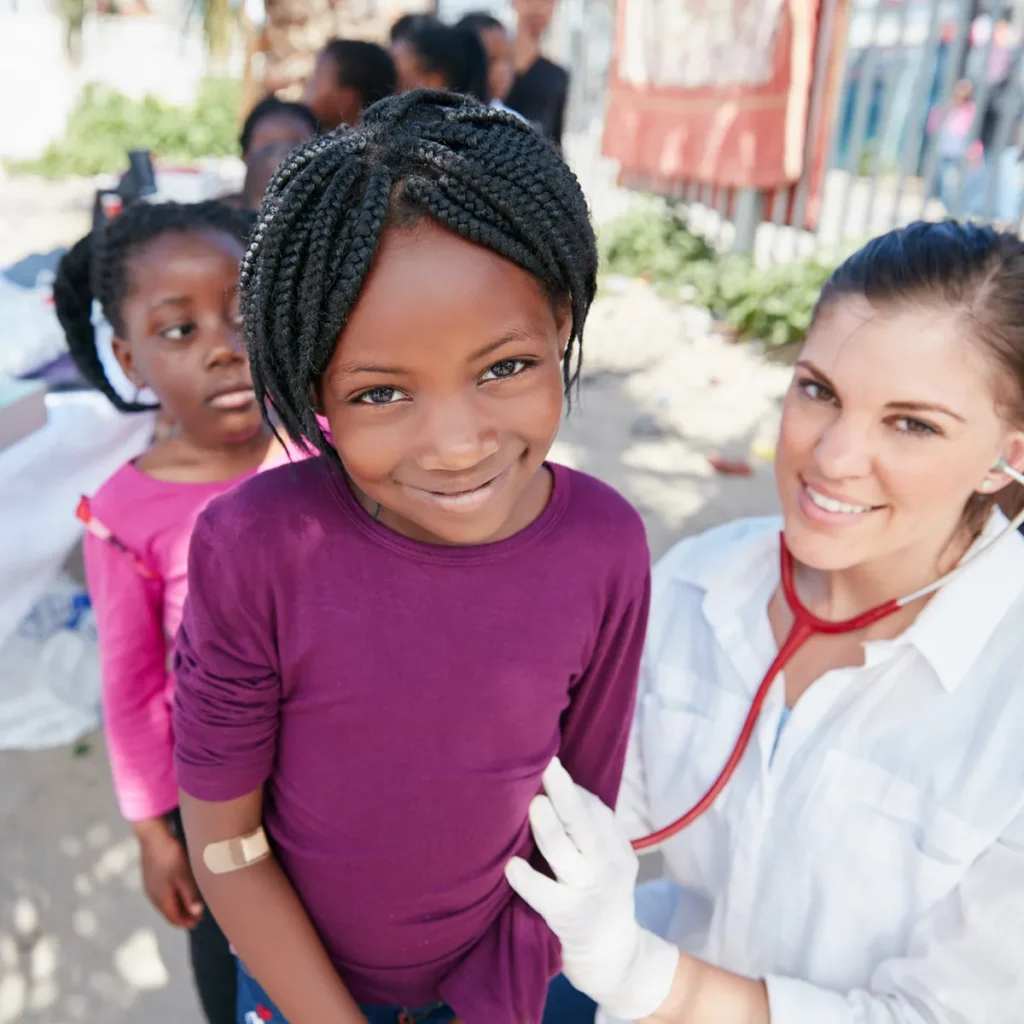
Access to parks, sports, and leisure activities improves physical and mental health by reducing stress and preventing chronic diseases. Limited recreational opportunities, especially in underserved communities, contribute to health disparities. Investing in public recreation spaces promotes well-being for all.
Related Resources
Public Services
How Community Infrastructure Supports Health
Transportation, sanitation, emergency services, and utilities all impact public health. Reliable public services reduce risks related to unsafe water, inadequate housing, and transportation barriers to healthcare. Strengthening public infrastructure ensures communities remain healthy and resilient.
Related Resources
Public Health
Preventative Care and Population Health Strategies
Public health initiatives, from vaccination programs to health education campaigns, help prevent disease and improve outcomes across populations. Strong public health systems are essential for addressing disparities, managing disease outbreaks, and promoting overall well-being.
Related Resources
-

Asante’s Layoff Warnings Highlight the Need for Financial Transparency

Access to Healthcare
Breaking Barriers to Medical Services
Quality healthcare should be available to everyone, but disparities in insurance coverage, provider availability, and affordability create gaps in access. Addressing these barriers ensures that all individuals receive the preventive care, treatment, and support they need.
Related Resources
-

Oregon Hospitals Say They’re Struggling. It’s Not That Simple.
-

OHSU’s Financial Performance Reflects a Long-Term Pattern
-
Asante’s Layoff Warnings Highlight the Need for Financial Transparency


See our Resource Library.

Access Our Resources
Addressing determinants of health early is the key to better outcomes later in life.
Our research and policy briefs provide in-depth analysis of Oregon’s healthcare challenges and evidence-based solutions. Download our latest publications to learn more about specific issues and our recommended policy solutions.